Arabella: A Color Font That Transforms Glyphs into Art
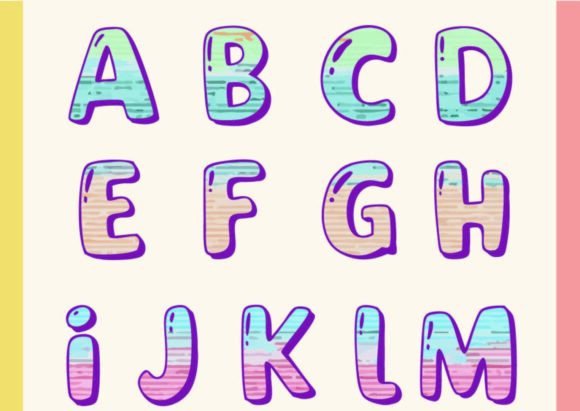
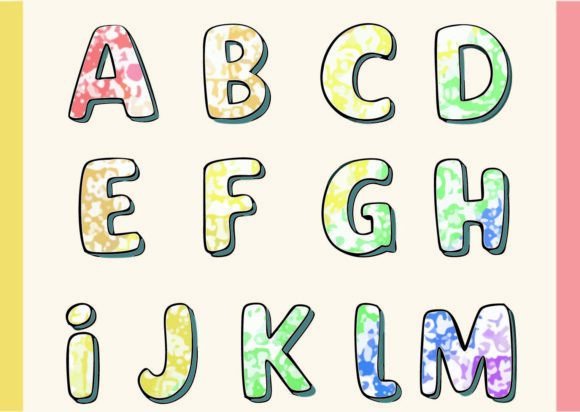
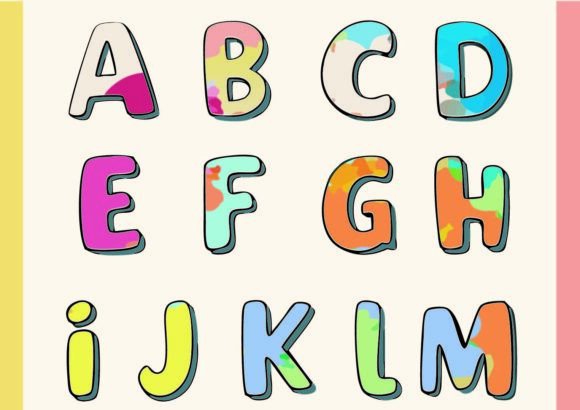
When you first encounter Arabella, the experience is less like seeing a typeface and more like discovering a gallery of miniature paintings. This is a color font, sometimes called a chromatic font, built on the modern OpenType-SVG format. What that means for you, the creator, is that every single letter, number, and symbol is rendered with its own unique, complex palette of colors. Look closely, and you'll see intricate paths and connections within each glyph—details that would be impossible in a traditional single-color font. Arabella isn't just a set of characters; it's a collection of typographic paintings waiting to bring your projects to life.
Understanding the Color Font Revolution
A traditional font, whether a serif font like Garamond or a sans serif font like Helvetica, is defined by a single outline. You apply one color to it. A color font like Arabella breaks that rule entirely. Each glyph contains multiple layers of color information, which the software interprets and displays. This technology, powered by OpenType-SVG, allows for gradients, textures, and multi-color designs that were once the exclusive domain of vector illustrations.
The practical takeaway? You no longer need to manually add color layers, textures, or artistic effects to individual letters in your design software. Arabella arrives ready to impress. The visual complexity is baked in, saving you significant time while delivering a level of detail and artistry that elevates any project from ordinary to extraordinary.
Where Arabella Truly Shines: Practical Applications
As a premium font designed for impact, Arabella is a display typeface at heart. Its personality is bold, artistic, and unmistakably modern. This makes it a powerful tool for specific applications where you need to capture attention and convey creativity.
Consider its role in brand identity and logo design. For a boutique, a creative agency, a children's brand, or a festival, Arabella can become the cornerstone of a visual identity that feels vibrant and unique. It instantly communicates a brand that values artistry and isn't afraid of color. Similarly, in packaging design, it can make a product stand out on a crowded shelf, telling a story of quality and creativity before a customer even reads the label.
In the realm of editorial design and publishing, think beyond body text. Use Arabella for chapter titles, pull quotes, or magazine headers to create focal points that draw the reader's eye. For web design, it can be used strategically for hero section headlines or key calls-to-action, though careful consideration of file size and load times is necessary. Its true power in digital spaces is often unleashed in social media graphics, where bold, colorful typography stops the scroll. Imagine an Instagram story, a Pinterest pin, or a Facebook ad featuring a headline in Arabella—it’s inherently shareable.
Don’t overlook its potential for personal projects either. Crafters and hobbyists can create stunning invitations, custom stationery, or wall art. Entrepreneurs can design professional-looking presentations, menus, or event posters that look custom-designed without the custom price tag.
Designing with Arabella: A Practical Guide
Working with a color font requires a slight shift in mindset. Here’s how to approach Arabella to get the best results.
Evaluate the Project Fit. Arabella is a creative font, not a workhorse for long paragraphs. Its strength is in headlines, logos, and short bursts of impactful text. Ask yourself: does this project need to convey energy, creativity, and a modern aesthetic? If yes, you're on the right track.
Master Font Pairing. Because Arabella is so visually rich, it pairs best with simple, neutral companions. A clean sans serif font for body text or a minimal script font for subtitles will provide balance without competing for attention. Avoid pairing it with other ornate or highly styled typefaces, as this can create visual chaos.
Test for Readability. While stunning, the intricate color details of Arabella can affect readability at very small sizes or in low-contrast situations. Always test your designs at the intended viewing size. For a poster, it will be legible from feet away. For a website headline viewed on a mobile phone, ensure the colors remain distinct and the letterforms clear.
Check Software Compatibility. This is a critical step. Arabella is an OpenType-SVG color font. It works seamlessly in recent versions of Adobe Photoshop, Illustrator, Silhouette, and Inkscape. However, it may not display with full color in older software or some word processors, which might show a fallback single-color version. Always verify compatibility before finalizing your design.
Review the Included Styles. A quality color font often comes with variations. Explore what’s included in your package. You might find alternates, ligatures, or different color themes within the font itself, offering more creative control and versatility for your design assets.
Understand the License. As a commercial font, Arabella comes with a license that dictates how you can use it. Whether you’re a freelancer designing for a client, a small business creating your own materials, or a content creator monetizing your work, read the licensing agreement. It ensures your use is legal and professional, protecting both you and the font designer.
The Bottom Line for Your Creative Work
Arabella represents the cutting edge of modern typography. It’s more than a handwritten font or a script font; it’s a multi-sensory design element. By integrating it thoughtfully, you can enhance visual hierarchy, inject personality into your brand, and create a level of recognition that standard fonts cannot achieve. It turns the act of setting type into an act of curation. For the designer, marketer, or entrepreneur looking for a standout typeface, Arabella offers a direct path to creating work that is not only seen but truly remembered.